
How Fastenal Shipping Works (And Why So Many Customers Choose It)
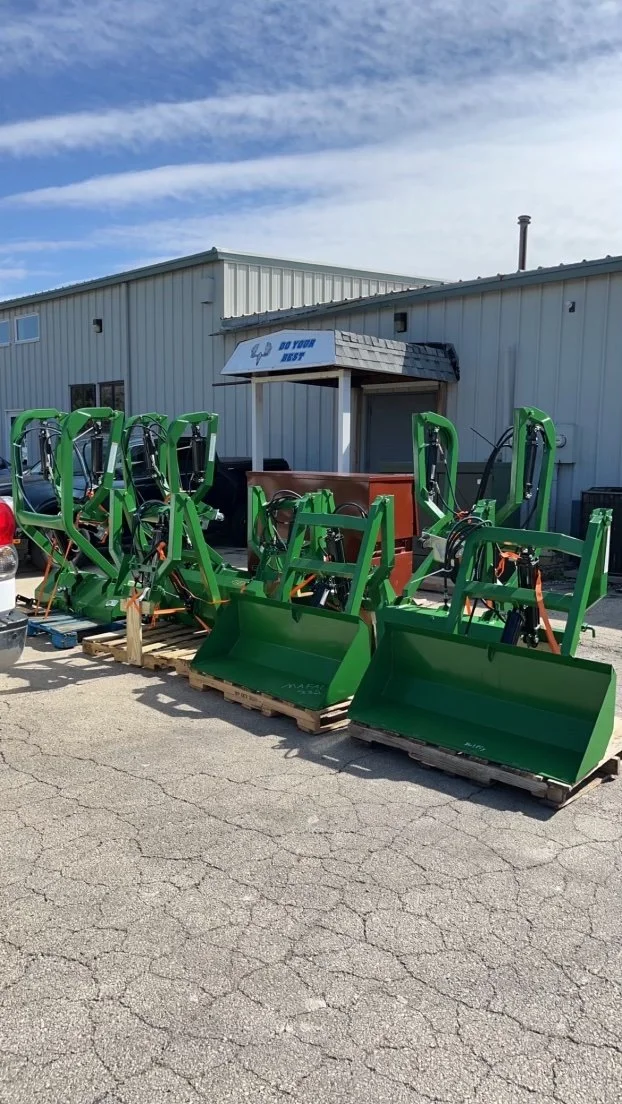
Shipping a front-end loader isn’t like shipping a box from Amazon, and that’s exactly why Fastenal shipping is such a popular option for Little Buck Loader customers.
If you’ve ever wondered how it works, what to expect, or how you’ll unload it at home, this guide walks you through the entire process step by step.
Step 1: Selecting Fastenal Shipping at Checkout
When you place your order and select Fastenal shipping, you’re choosing our most affordable freight option.
After your order is placed:
We’ll look up the nearest Fastenal branch approved for freight shipping
You’ll receive an email from us confirming which branch your pallet will ship to
This ensures your loader is sent to a location that’s properly equipped to handle freight safely.
Step 2: Transit Time to Your Fastenal Branch
Once your loader is finished and dropped off on a pallet:
Transit time is typically about one week
This timing starts from the day we deliver the pallet to Fastenal
Shipping times may vary slightly based on distance, scheduling, and weather conditions, but one week is a solid average
Fastenal specializes in moving heavy, palletized freight, which is exactly what makes this option reliable and cost-effective.
Step 3: Pickup Notification & Scheduling
When your shipment arrives:
The Fastenal branch will call you directly
You’ll schedule a pickup appointment with them
No surprise drop-offs, everything is coordinated ahead of time
This appointment system helps ensure quick loading and minimal wait time.
Step 4: Pickup Day - What to Bring
On pickup day:
Bring a pickup truck or small trailer
The Fastenal team will load the pallet for you using a forklift
No special equipment is required on your end. They handle the heavy lifting at the branch.
Step 5: Unloading at Home (Easier Than You Think)
Once you’re home, a common question is:
“How do I get this out of my truck or trailer?”
Most customers use a simple, effective solution:
Create a ramp using two 2×4s
Slide the pallet carefully down onto the ground
Because the loader is securely palletized, this method works well and doesn’t require special machinery. Many customers are surprised by how straightforward this step is.
Why Fastenal Shipping Is So Popular
The biggest advantage of Fastenal shipping is simple:
Affordability
Fastenal often saves customers hundreds of dollars compared to residential freight delivery. That’s why it’s our most commonly selected shipping option.
That said, if you’d prefer:
Delivery to your home
Delivery to a farm, shop, or commercial address
We’re always happy to run a custom freight quote for you. Just ask.
Why Can’t I Use the Fastenal Closest to Me?
This is another common question, and the answer usually comes down to Fastenal branch capabilities.
A branch must:
Participate in Fastenal’s BLF (Blue Lane Freight) program
Have an on-site forklift
Because of this, customers typically drive under an hour to their pickup location, often much closer.
Important Regional Limitation
Due to Fastenal’s internal policies:
We are located in Fastenal’s Eastern region
Unfortunately, Fastenal does not allow freight shipments to the Western region
If you’re located in the western U.S., Fastenal shipping won’t be available, but we can absolutely help you explore other freight options.
We’re Here to Help
Shipping a loader might feel intimidating at first, but thousands of customers have gone through this exact process, and most tell us it was easier than they expected.
If you ever have questions about:
Fastenal availability near you
Transit timing
Pickup logistics
Alternative shipping options
Just reach out. We’re always happy to help you choose the option that makes the most sense for your situation.